
When Capacity Changes, Boundaries Become Architecture
During my third round of chemo, a feature flag failure exposed how tunnel vision, unshared load, and poor boundaries can export work strain into the people closest to us.
During my third round of chemo, a feature flag failure exposed how tunnel vision, unshared load, and poor boundaries can export work strain into the people closest to us.
I am wired for binary thinking, and tribalism comes naturally to me. This is my attempt to choose a better standard: sacred people, fallible ideas, and restrained power.
Everyone promises human-AI “synergy” will make 1+1=3. Six months later, you’re managing more overhead than you saved. Maybe synergy isn’t the goal we should be chasing.

Jim Amos warned about AI agents and I responded with defiance. Then I realized we were both right—and both incomplete without each other.

A response to the ‘AI agents are a betrayal’ narrative that challenges developers to own their agency instead of waiting for permission to adapt.
I was coding across two different codebases while the Minnesota situation occupied my brain. Cognitive dissonance: historical conservative voter watching behavior I can’t support. Social media amplify
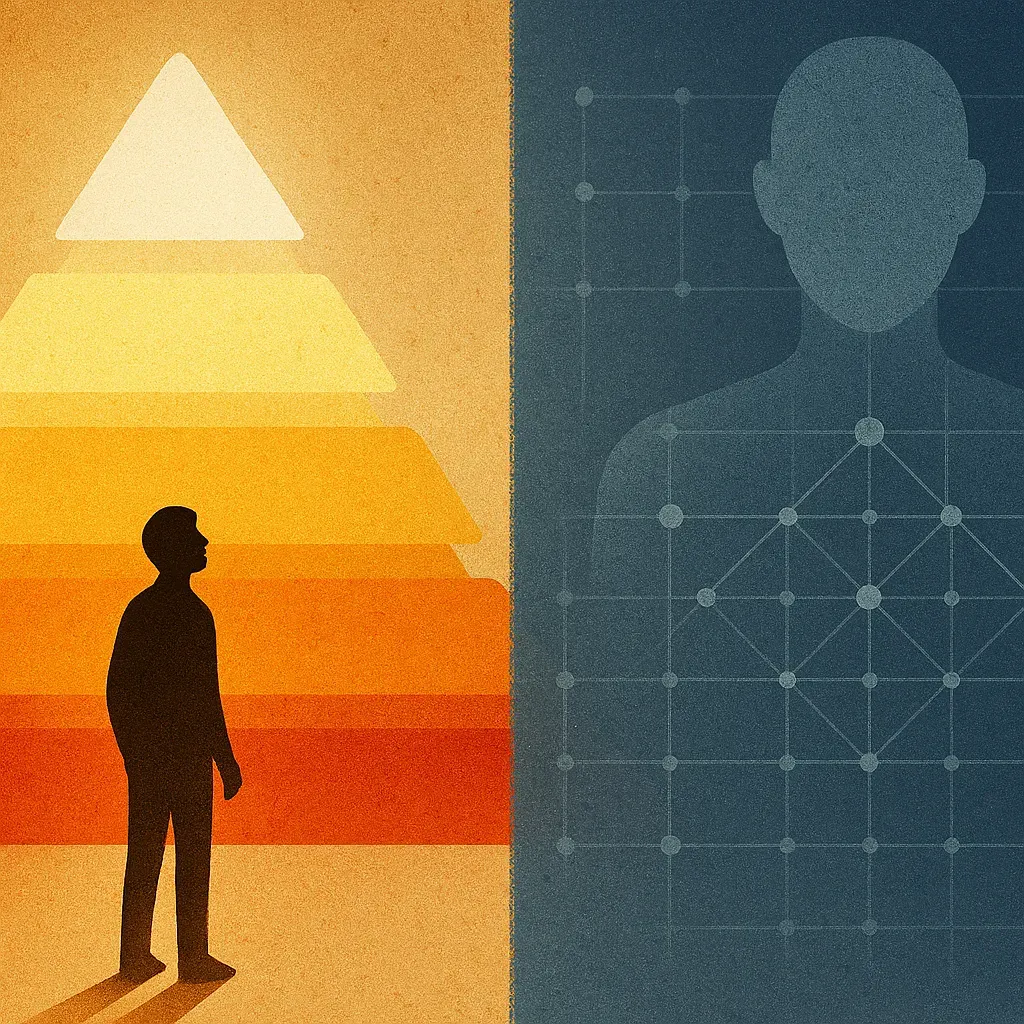
Maximizing AI effectiveness requires understanding the difference between how humans and AI internalize feedback. That understanding comes not from more code—it comes from deeper study of what makes us human.
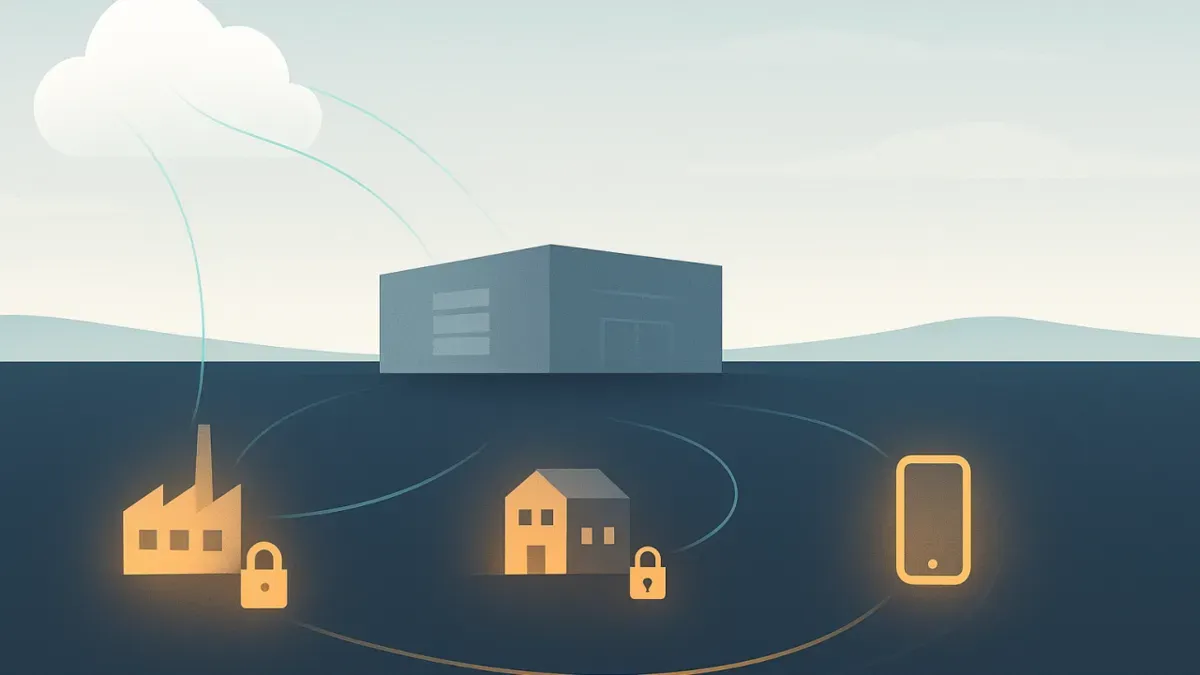
Cloud AI keeps tightening the rules. Edge and private data center restore control, privacy, and durable context where the work happens.
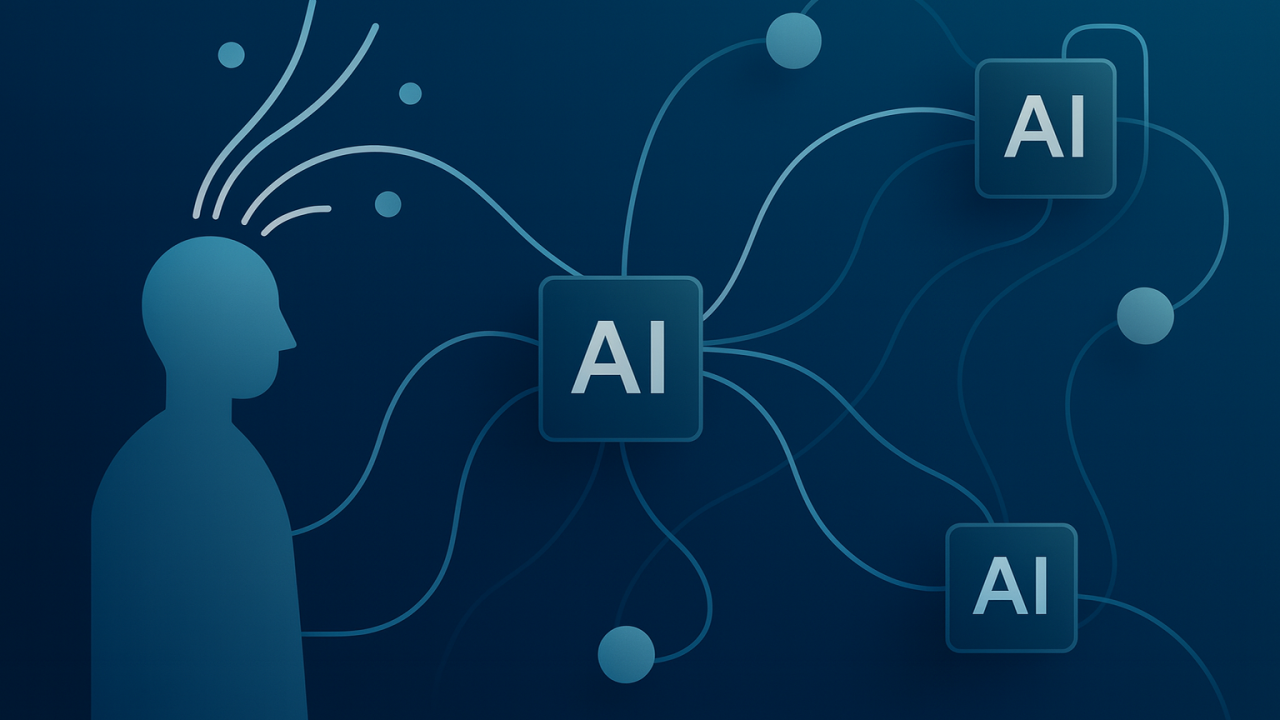
Moving beyond chat-based AI to orchestrated multi-agent systems. Free playbook and starter kit. No gatekeeping.
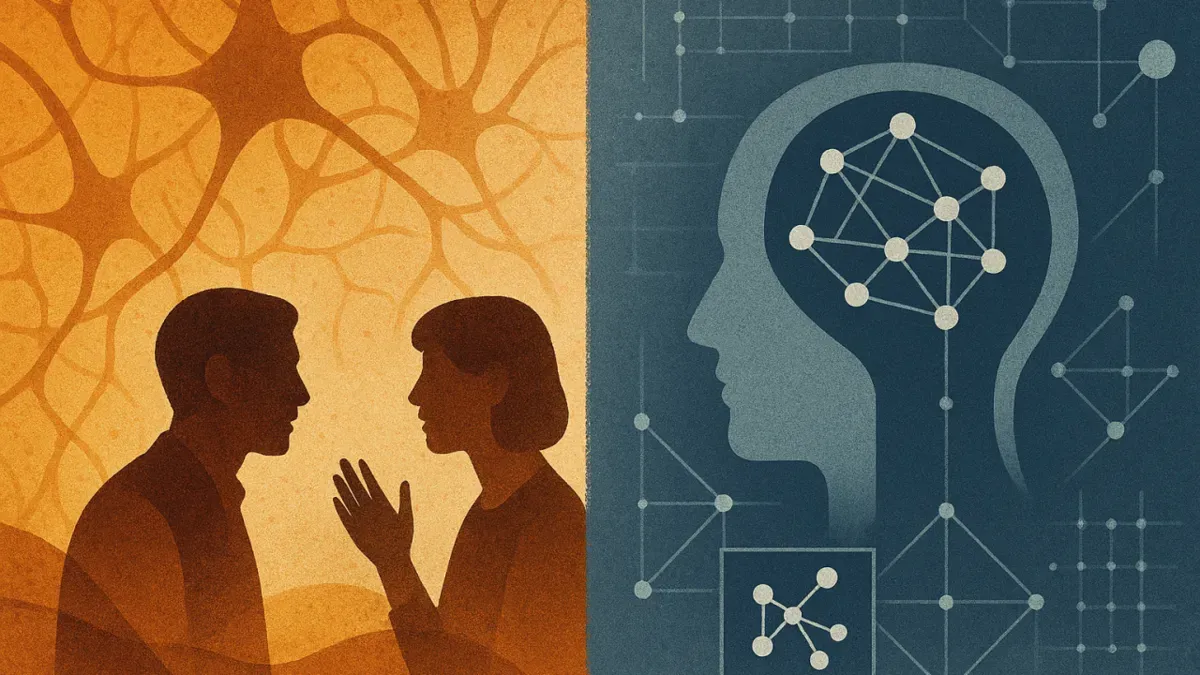
Our instincts for human collaboration mislead us when working with AI. Understanding the difference is where effectiveness is won or lost.